
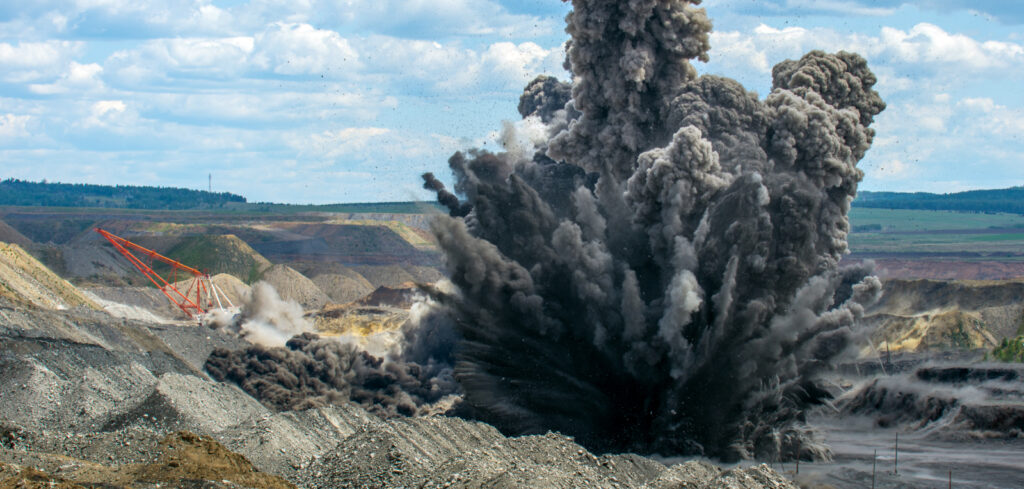
When a crisis hits a mining site – whether a safety hazard, operational disruption, or compliance incident – there is no time to waste.
Leaders don’t always have the bandwidth to craft messages from scratch, but leaving employees uninformed or sending vague updates is not an option. In an already volatile situation, poor comms will no doubt fuel confusion and amplify risk.
This is exactly why we created the WyzeResponse Crisis Comms Playbook. Building on our five-step crisis response and readiness framework, the playbook outlines seven critical message templates that every mining and frontline organisation needs on hand.
These ready-to-use templates give your teams a head start when an incident occurs. Each template can be quickly adapted to your organisation’s voice, the nature of the crisis, and the audience involved. Here’s why this is a non-negotiable for mining leaders.
Ready-to-use crisis comms templates
1. Emergency notification (SMS or app alert)
Why you need this: Mining sites are high-risk, and not all frontline employees have email access. Immediate, clear – and, importantly, mobile – alerts keep all staff informed and prevent panic.
How to use it: Keep messages short and specific: incident, location, and required action. Include links to resources, if available. Follow up with verified details as the situation evolves.
2. Crisis response memo (internal announcement)
Why you need this: After the first alert, employees need reassurance that leadership is in control of the situation. This memo stabilises trust and lets your teams know you have a grip on the crisis.
How to use it: Issue within the first hour after the first alert. Cover what happened, what leadership is doing, and what employees must do. Keep the tone calm and the language clear.
3. Supervisor talking points
Why you need this: Supervisors are the closest link to the frontline. Consistent talking points prevent confusion by communicating a single source of truth. This will help teams stay calm throughout the crisis.
How to use it: Equip managers with 3-4 clear bullet points. Make sure all supervisors are on the same page, following the same script and allowing time to answer any questions their teams may have.
4. Frequently asked questions (FAQs)
Why you need this: Your teams will likely have the same kinds of questions in every crisis. Prepared FAQs save time and ensure no one is left in the dark.
How to use it: Compile short, actionable answers quickly. Update these details regularly as the situation evolves and include resources like maps or safety guides.
5. Family or external stakeholder update
Why you need this: Families and external partners are directly affected by incidents on site. Clear updates demonstrate care and accountability.
How to use it: Share only verified facts, acknowledge concerns, and communicate the next update time. Keep the tone calm and empathetic.
6. Press release to media
Why you need this: Crises can quickly attract public attention. A clear external statement ensures your organisation stays on top of the narrative to help prevent misinformation and rumours from spreading.
How to use it: Be factual and calm. Include what happened, next steps, and a leadership quote to convey accountability. Provide a media contact for follow-ups.
7. Post-crisis follow-up
Why you need this: Once the crisis is resolved, close the crisis comms loop. This ensures transparency and demonstrates leadership accountability.
How to use it: Summarise what happened, actions taken, and next steps. Thank employees and stakeholders involved, and share any relevant changes or improvements being implemented to prevent the crisis from reoccurring.
Next steps for mining leaders
These seven templates are just one part of a full crisis readiness framework unpacked in the WyzeResponse Crisis Comms Playbook. While the framework and its message templates are highly relevant to mining leaders, they can be applied to any frontline organisation that navigates the challenges of connecting and engaging large, dispersed and deskless teams.